
View from Sapsucker Woods: 8,000 Birds, 2 Million Bird People
June 22, 2026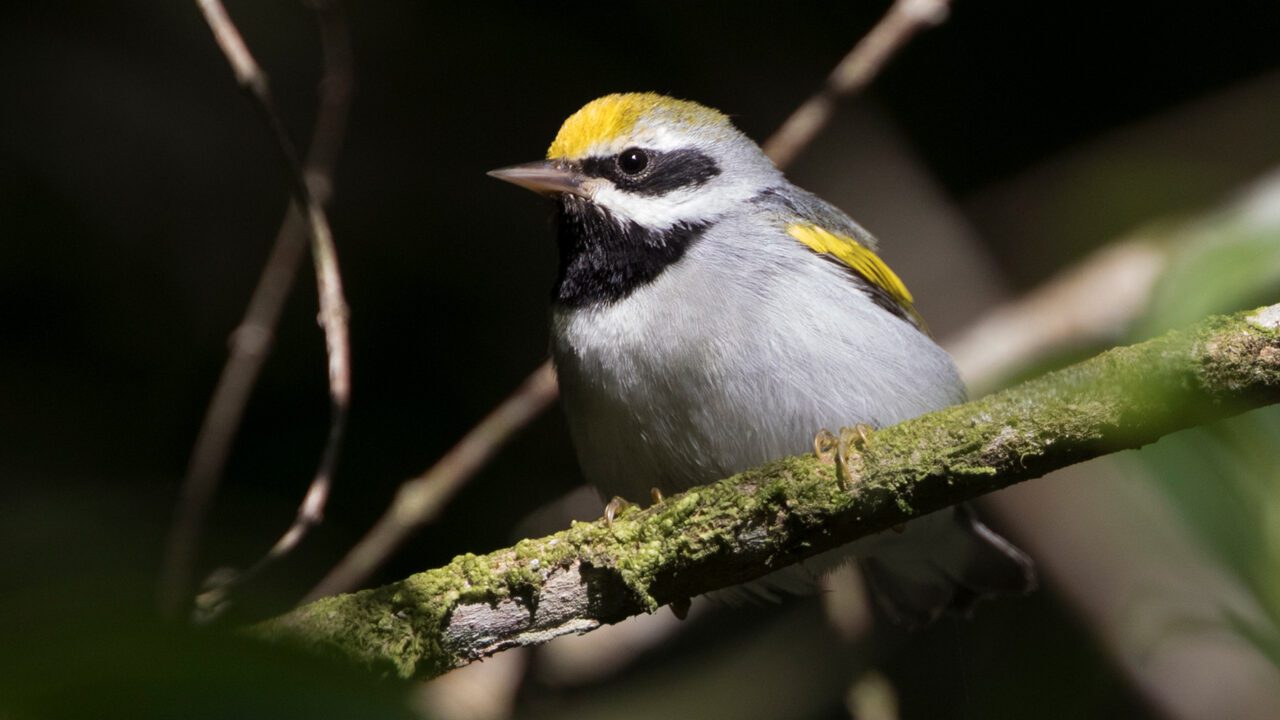
From the Summer 2026 issue of Living Bird magazine. Subscribe now.


Where were you on May 9, 2026?
What started a decade ago as a traditional Big Day birding competition has now grown into a massive, worldwide citizen-science event. The Global Big Day 2026 numbers are staggering, with more than 2 million people from over 200 countries taking part, and together recording more than 8,000 bird species—including more than 4 million bird observations and 22 million Merlin Sound ID detections. That’s a lot of birds. And birdwatchers.
There’s a wonderfully vivid description of Global Big Day activities on the eBird website. From the outpouring of social media posts by people around the world counting and enjoying birds, what strikes me is not only the mind-blowing diversity of birds and habitats, but the infectious enthusiasm and creativity of the birders. From Alabama to Zimbabwe, the sense of joy is overwhelming.
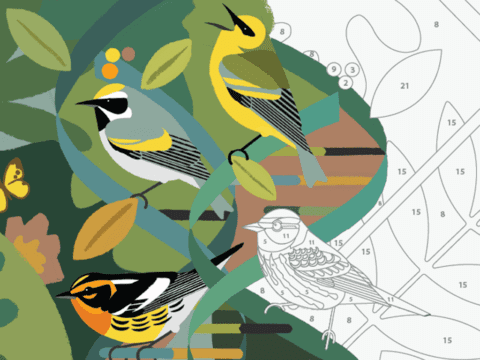
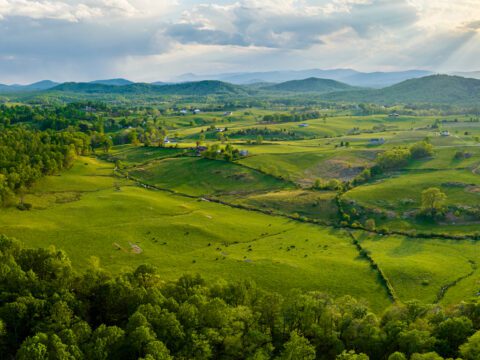
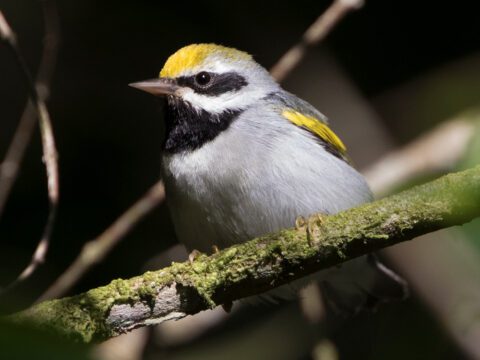
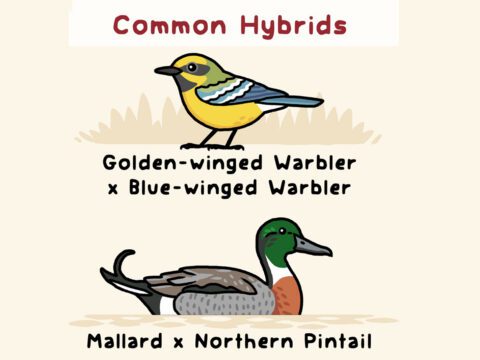
The Cornell Lab of Ornithology split Team Sapsucker—composed of Cornell Lab employees paired with regional conservation partners—into two groups for birding sister landscapes, one in the Appalachian and Blue Ridge Mountain forests of North Carolina and the other in the Selva Maya forests of Guatemala. In North Carolina our Cornell Lab birders joined up with the Southern Appalachian Highlands Conservancy, who are working with the Cornell Lab’s Land Trust Bird Conservation Initiative to implement bird-focused habitat management across the region. The highlight of their day was a Golden-winged Warbler—this year’s Big Day poster species, and a species that has declined precipitously in recent decades. The Southern Appalachian Highlands Conservancy is working to reverse those declines, and finding one was a poignant reminder of why days like this matter.
For my part, I was in Guatemala, birding with our partners from local community and birding groups and the Wildlife Conservation Society. There’s nothing that highlights the connections between these landscapes more viscerally than getting messages from friends in North America telling you all about the amazing birds they’re seeing at dawn, and to know you were watching exactly the same bird species a few hours earlier as they bubbled in the canopy before taking flight.
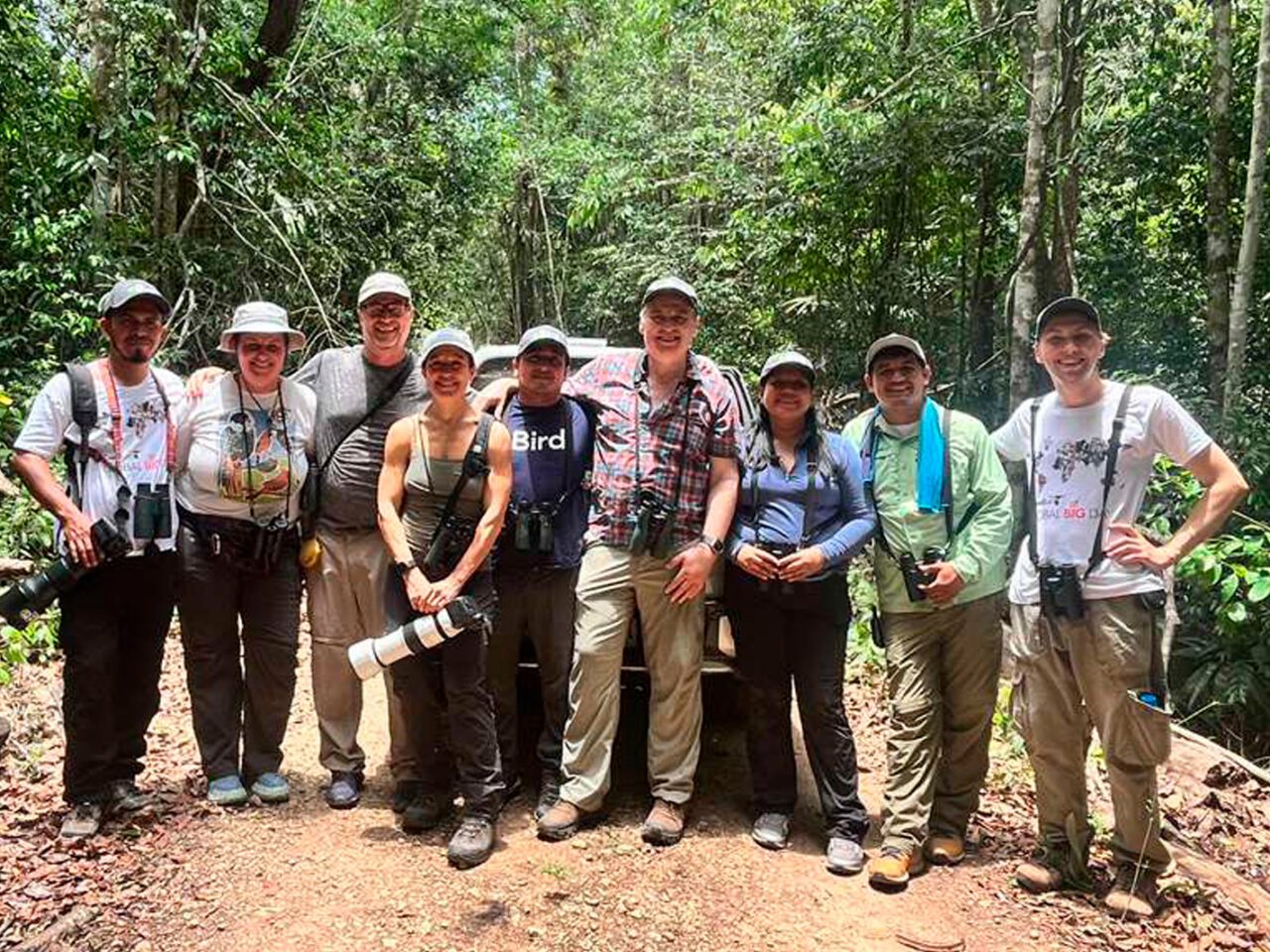
Perhaps the most magical memory for me, though, was not a bird, but a moment deep in the forest, just before the team set out to listen for owls and potoos. One of our local partners received a video message they wanted to share. Seconds later, Bernardo Arévalo de León, the president of Guatemala, appeared on the screen in front of us, expressing his pride that Global Big Day was shining a light on the birds and biodiversity of Guatemala, and his determination to protect and restore the Selva Maya forest. The effect was deeply moving. Many of the people around me had devoted their lives to protecting that forest, with some even losing loved ones in the process. At that moment, they felt those efforts had been seen, that their leaders were joining the fight, and there was hope for the future. With a Middle American Screech-Owl starting to purr in the background, it was the perfect start to our Big Day.
As always, thank you for all you do to support events like Global Big Day. Whether it’s making an eBird checklist while sipping a coffee on your deck, organizing your local community, sending a supporting gift, or telling your friends and relatives to download Merlin—it all counts. One person at a time, we’re converting the world into bird people.
About the Author
Ian Owens is the executive director of the Cornell Lab of Ornithology.

All About Birds
is a free resource
Available for everyone,
funded by donors like you
American Kestrel by Blair Dudeck / Macaulay Library