

How to Enjoy Birds All Summer
June 17, 2026As crisp spring turns into warm summer, the birding energy dips a little. The new waves of arriving migrants dwindle, and the sheer exuberance of the dawn chorus subsides. Birds are pairing up, starting their nests, and spending less time singing. But don’t mistake this quieter period with a lack of options: you’ve got a whole summer of great birding ahead.
Here are five approaches to summer birding we really look forward to:
offer nutritious summer foods and cool bathing opportunities
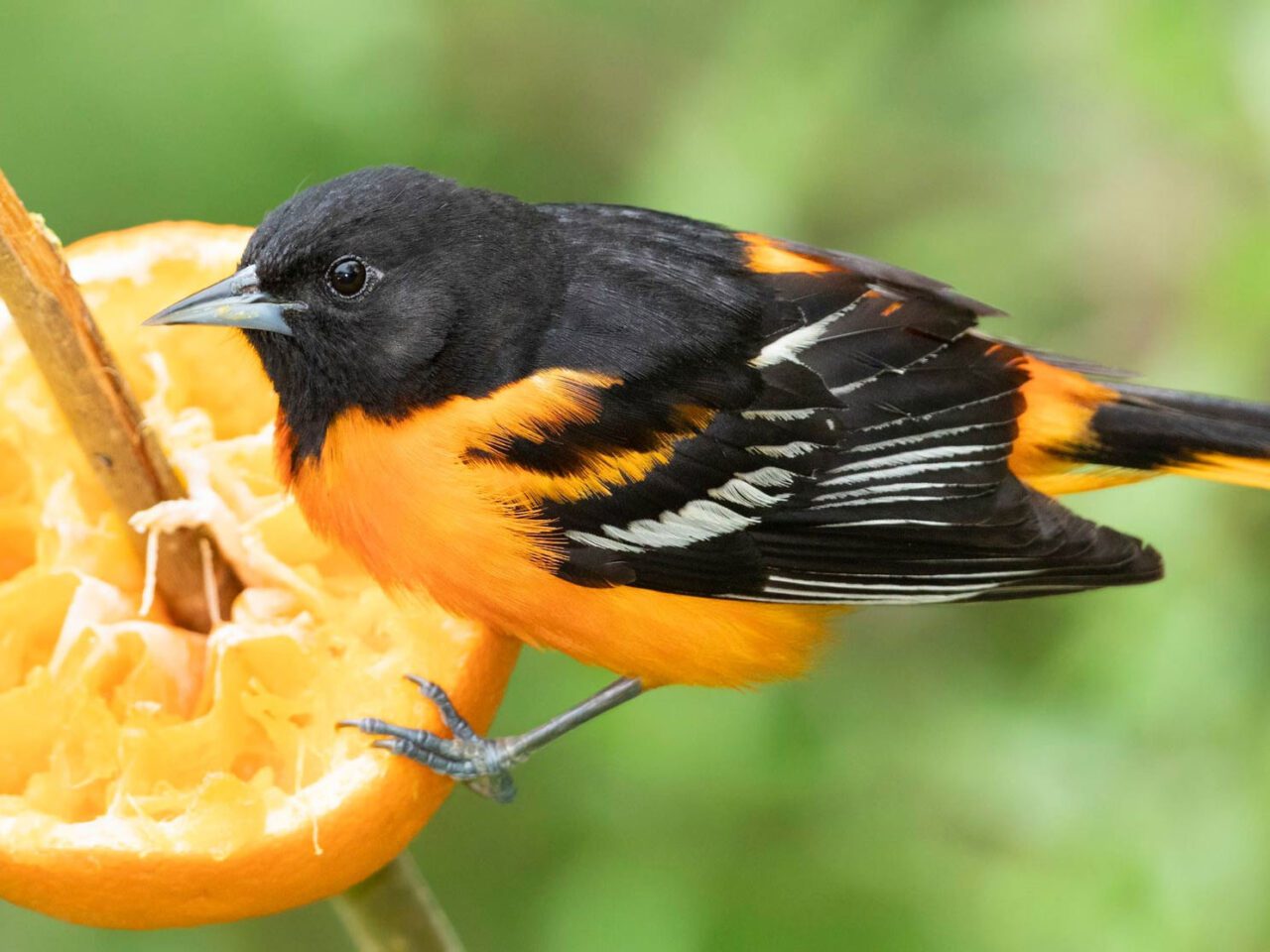
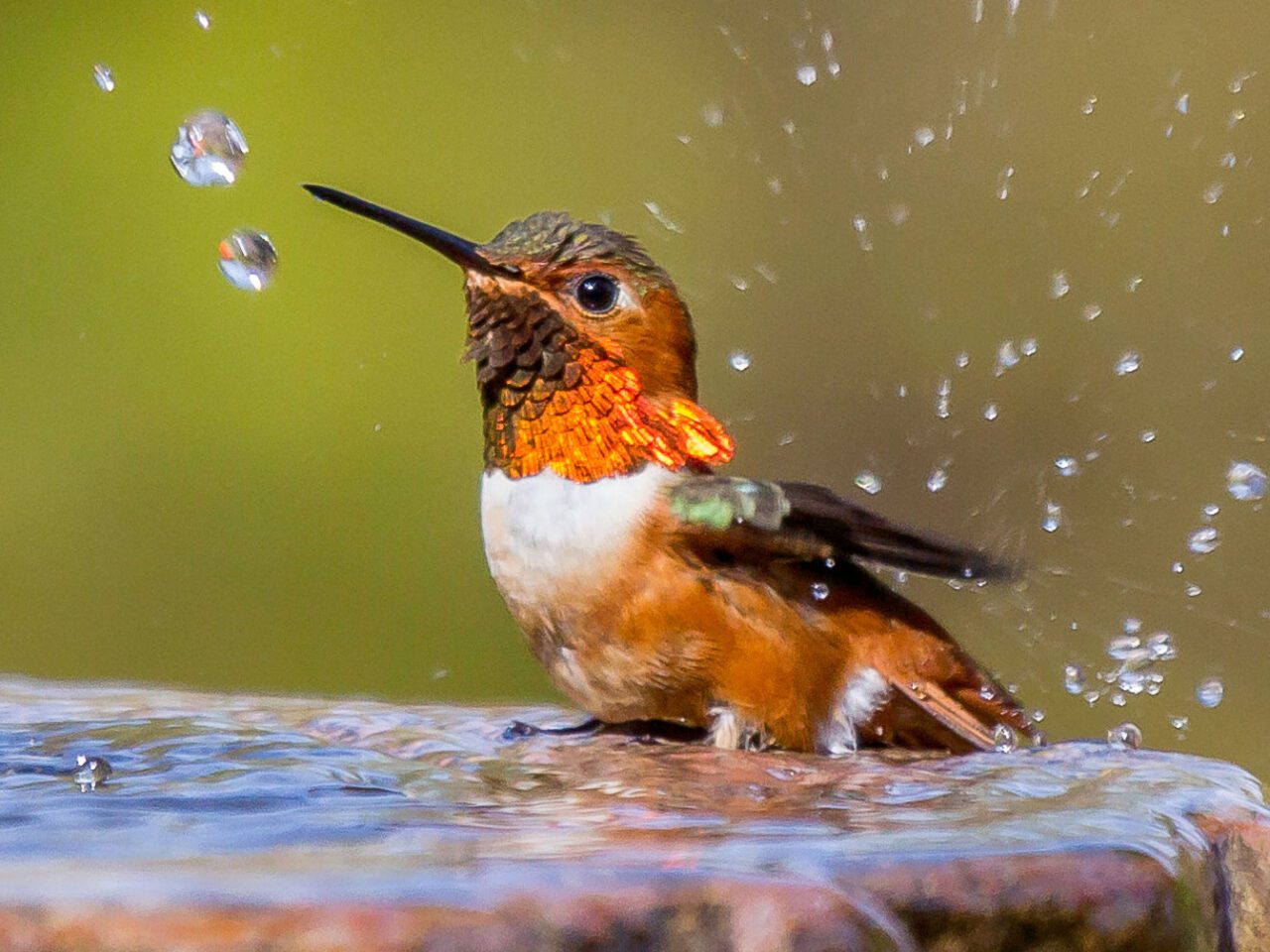
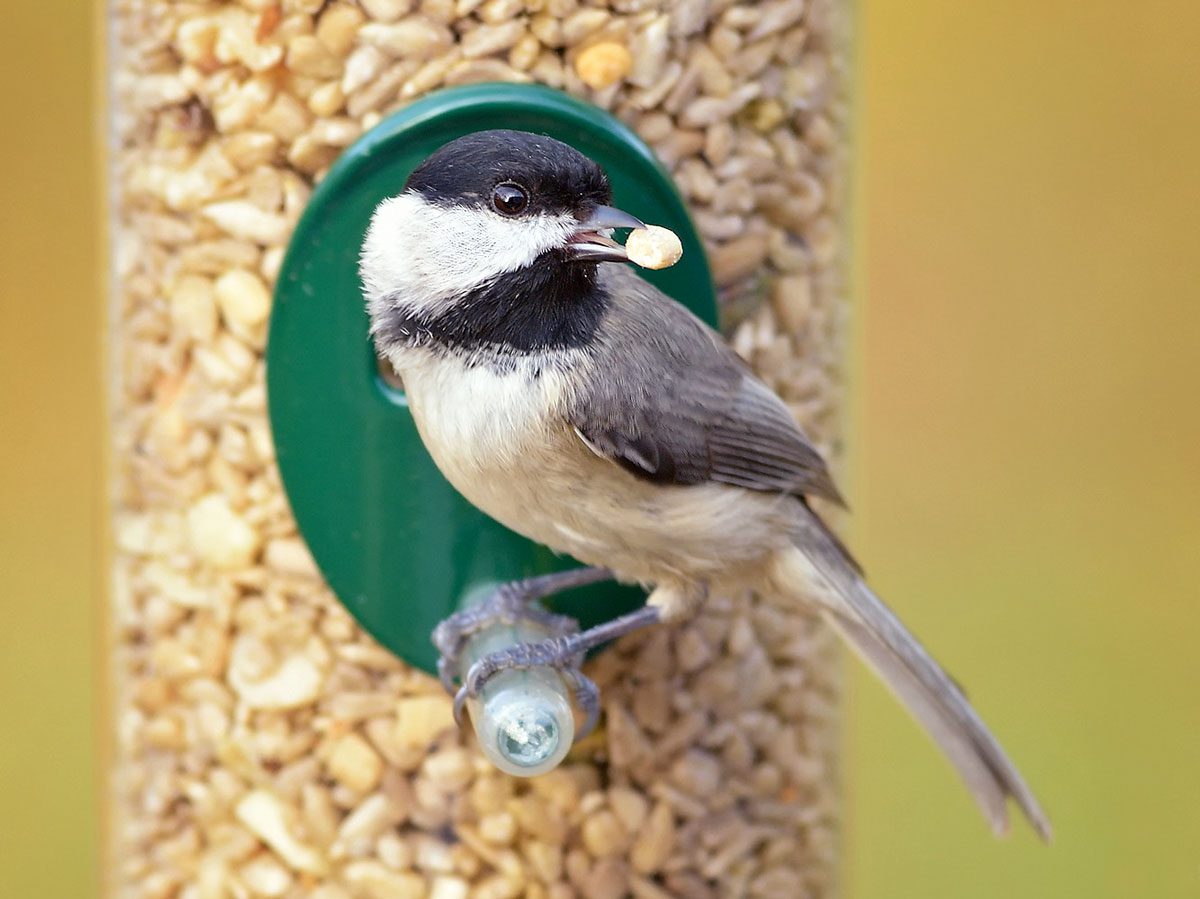
Summer gives you the opportunity to attract new birds to your yard or home. Try expanding feeder offerings beyond seed and suet to treats like oranges, nectar, mealworms, and more. Water is always a good way to attract birds, and a well-thought-out birdbath can make a big difference in bird activity at your yard.
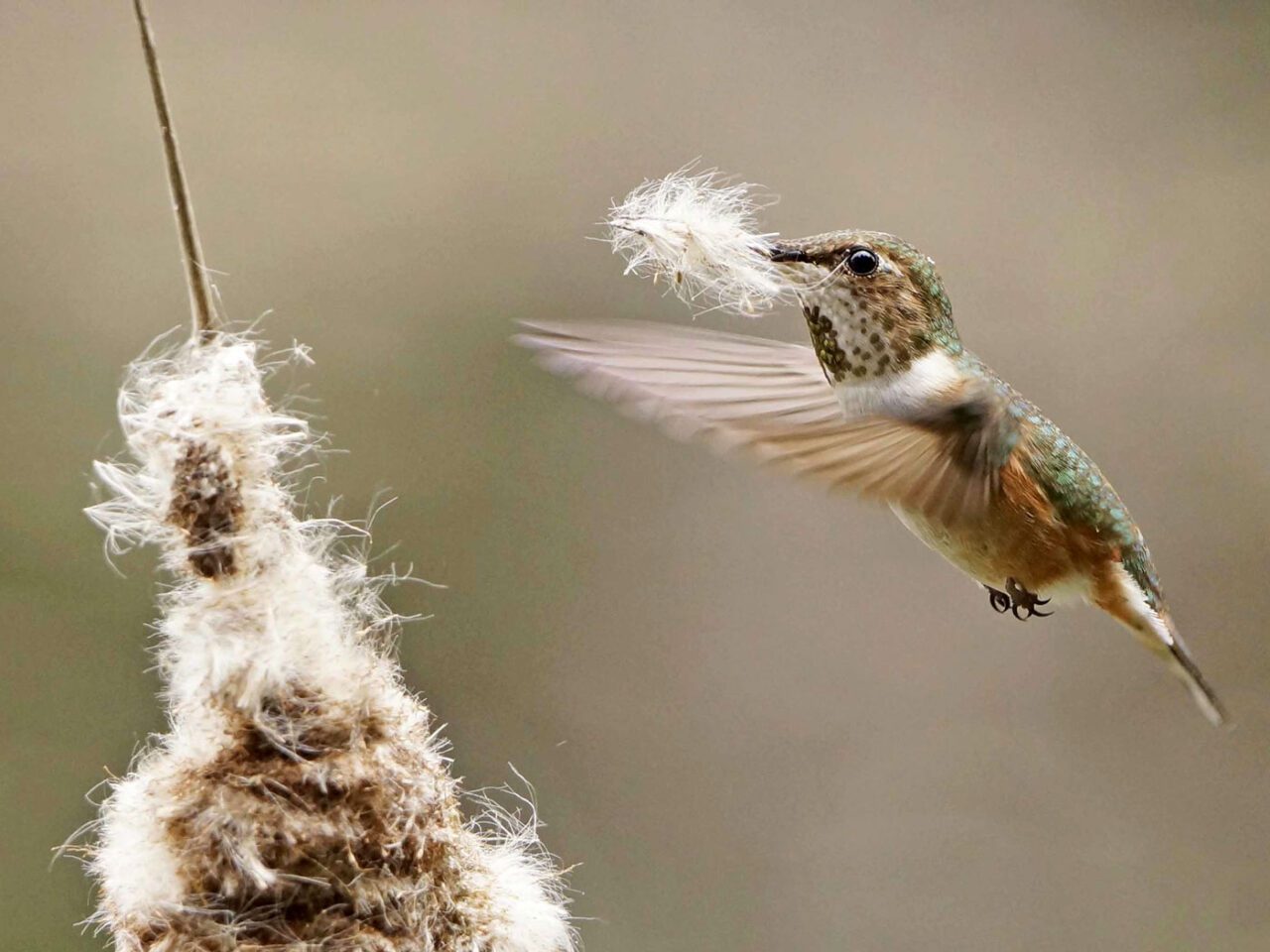
watch for Where Birds Are nesting
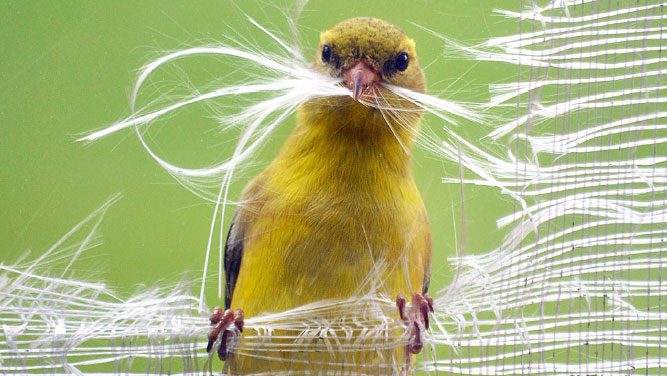
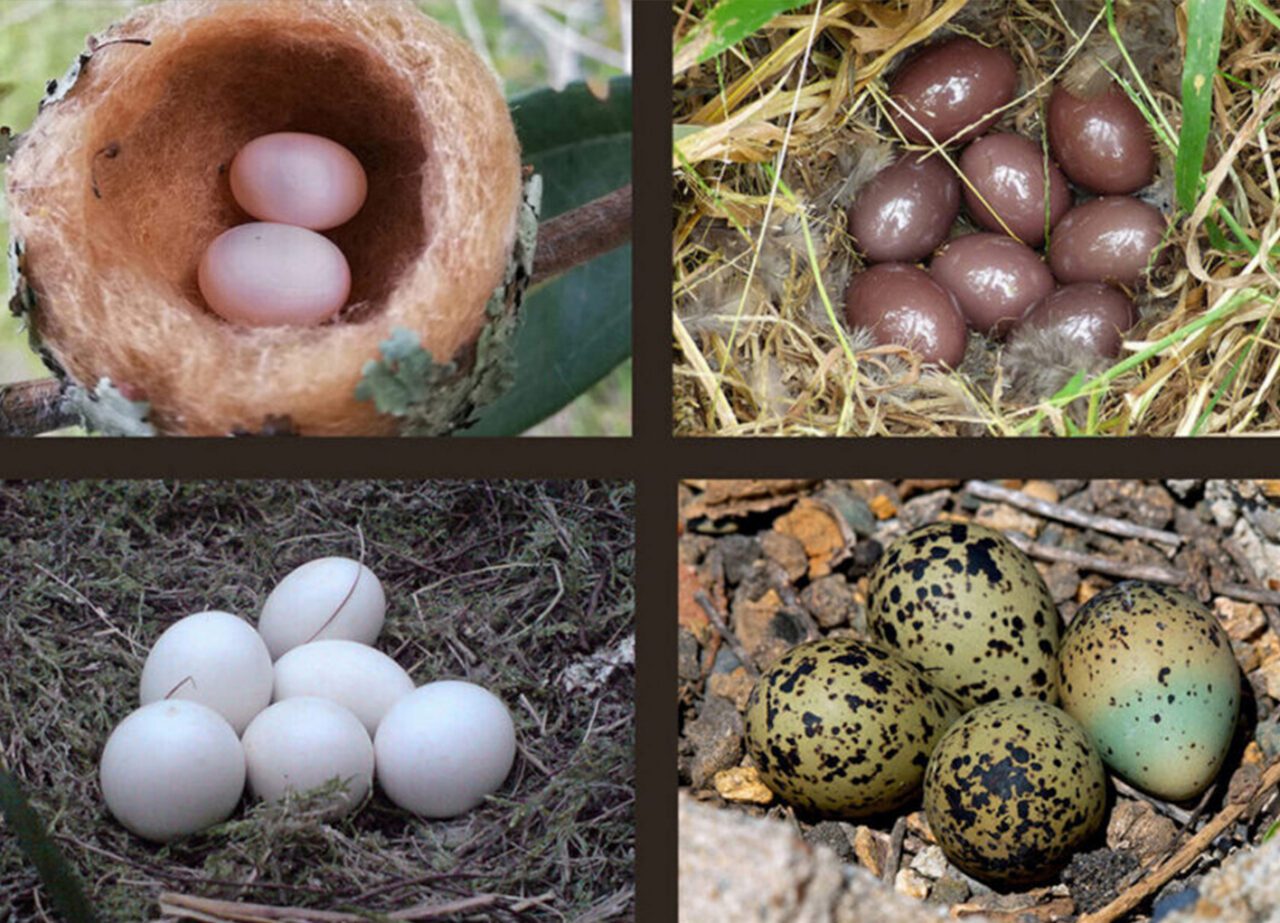
Summertime is a great time to become a detective. Everywhere, all around you, birds are nesting—but they’re secretive about it. By honing your senses and learning a few key clues to bird behavior, you can zero in on where a nest is and even determine how far along it is. After that, you can keep a safe distance and watch the parents as they raise their young brood—a special chance for an intimate look at birds’ lives.
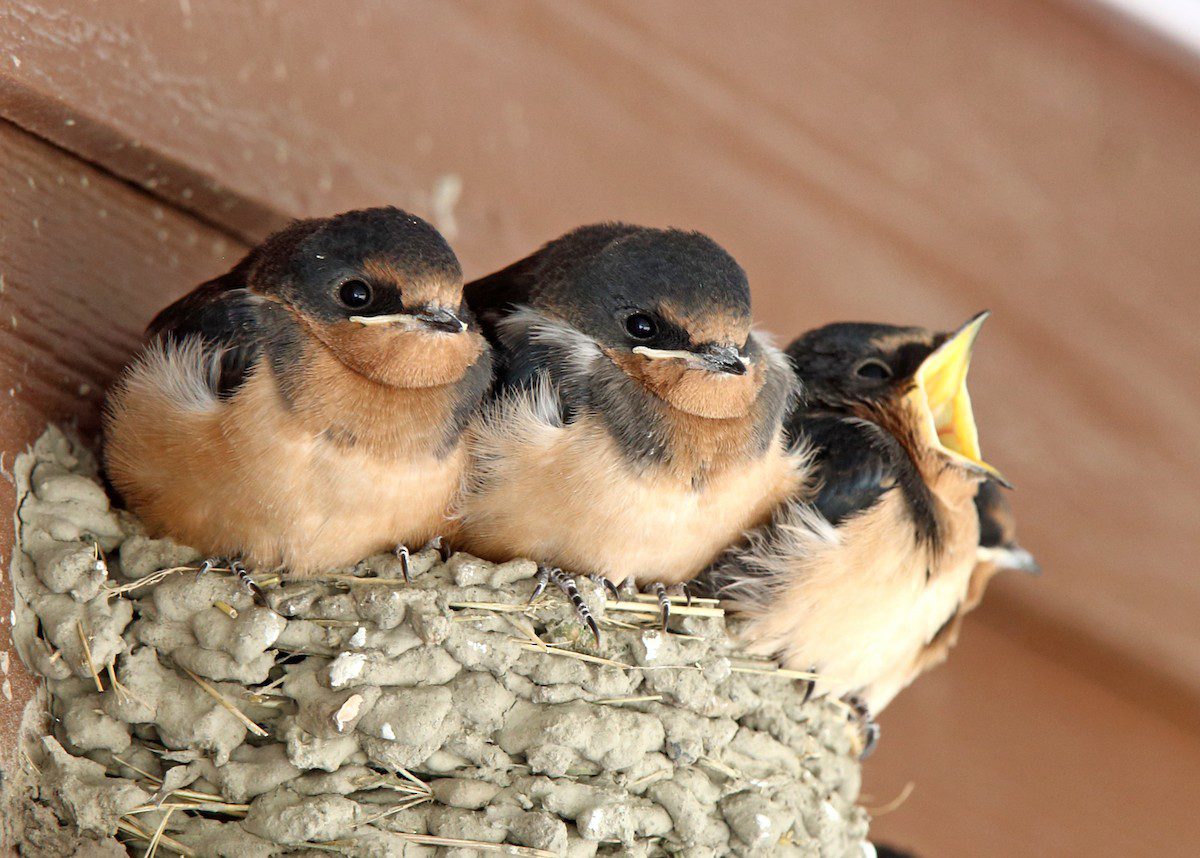
Or you might prefer the direct approach: set out a birdhouse and let the birds come to you. Populations of several species, including swallows and bluebirds, have benefited substantially from people providing birdhouses. We’ve got tips, tactics, and advice for how to cater to the birds you’re most interested in.

Enjoy Watching juvenile Birds as they learn the ropes
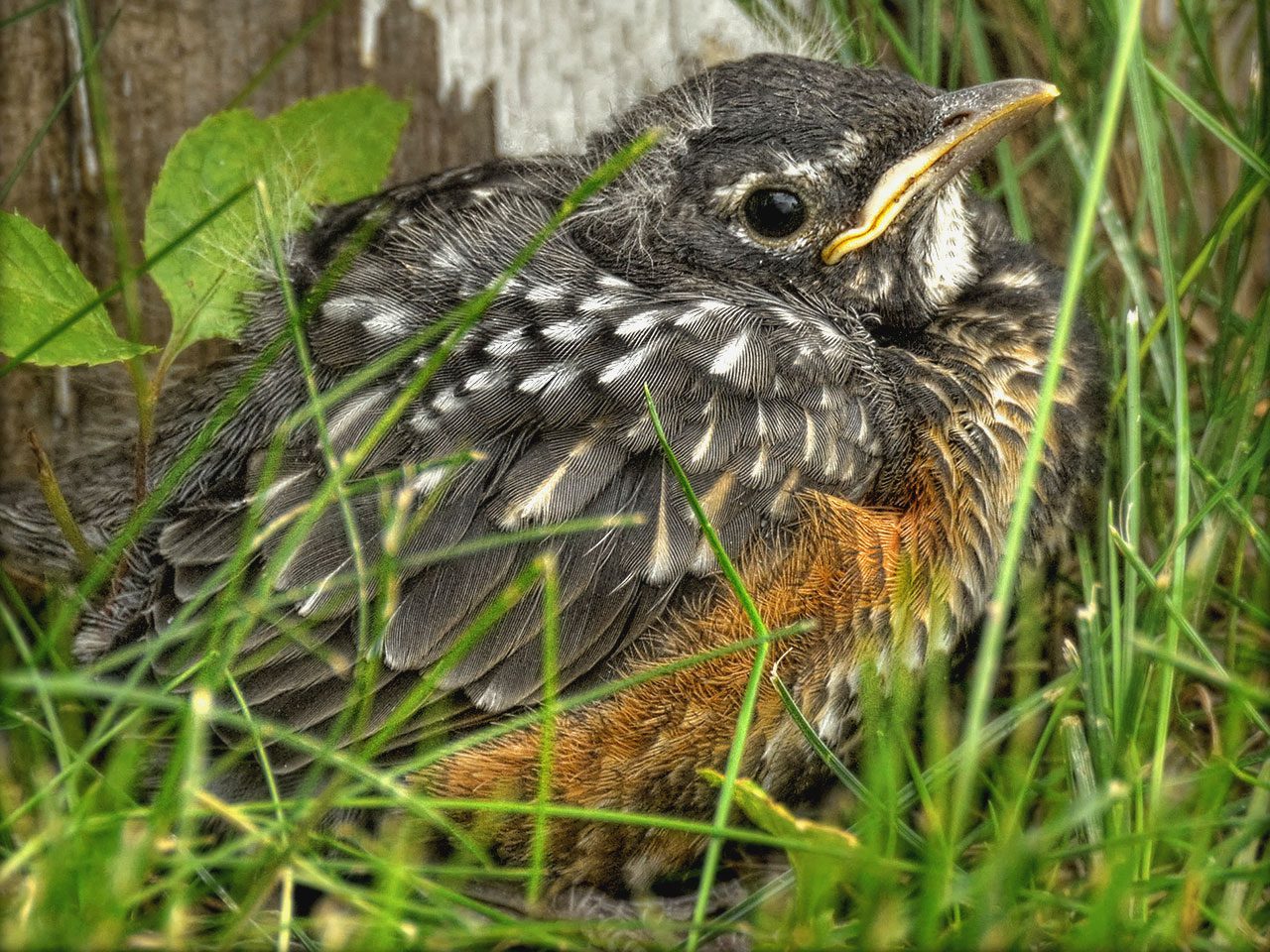
Seeing just-fledged juvenile birds is one of the great pleasures (and challenges) of summer birding. This is the time of year when you’re likely to see unfamiliar-looking plumages. Compared with their parents, many juveniles are browner and more spotted, streaked, or scaled. Their tails often look short and their beaks may still have a remnant of the fleshy “gape” that served as a meal-delivery target when they were in the nest. And juvenile birds are often also clumsy, especially when flying or landing, as they get used to their new world.
Juveniles are also fun to watch, so sit back and spend some time with them. You may see an adult come in to feed their youngster, or even show it some tips on how to forage. Like watching newborn puppies or kittens, this can make for adorable moments while you’re birding.

Hummingbirds: attract and admire
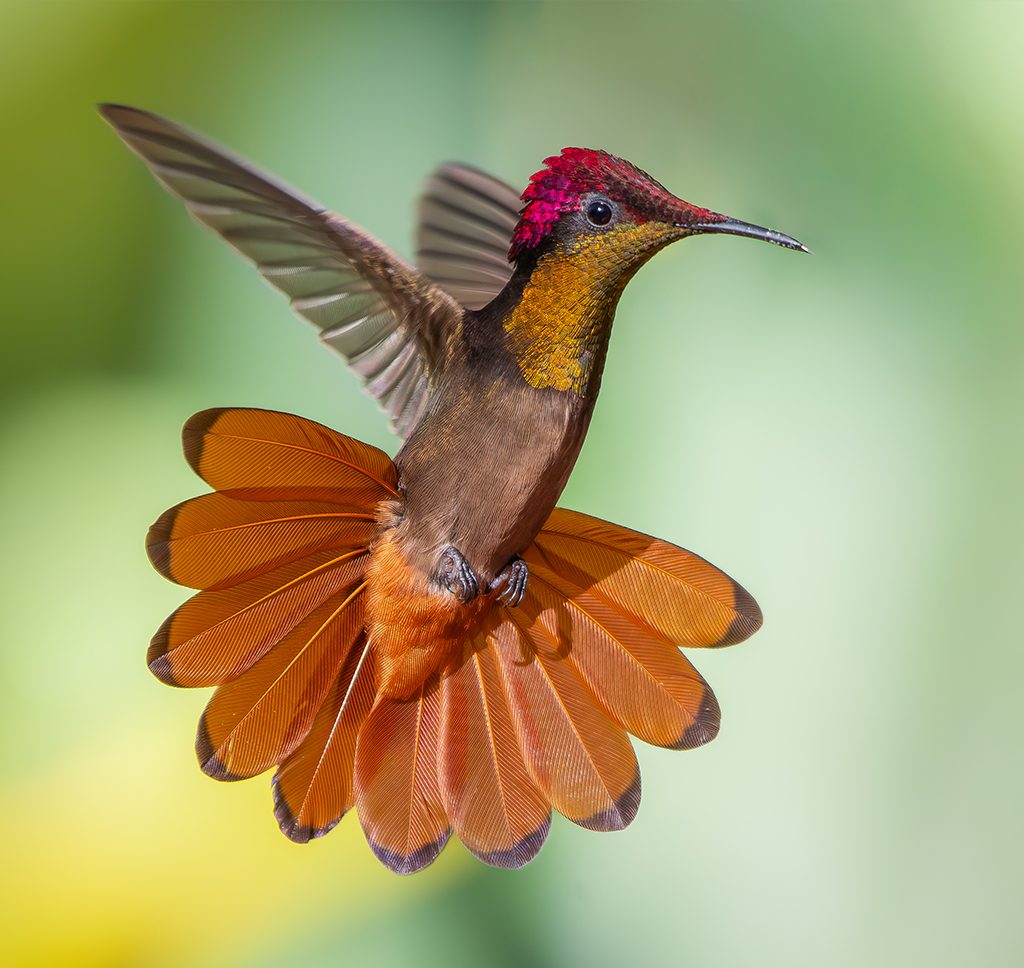
These tiny, glittering creatures are emblems of summertime in North America. Set up your hummingbird feeder early and stock it with homemade sugar water—no red dye needed—and clean it every couple of days in hot weather. Pretty much wherever you live in the U.S. and Canada you can expect at least 1–3 species (and up to a dozen or so if you live in the southwestern U.S.).
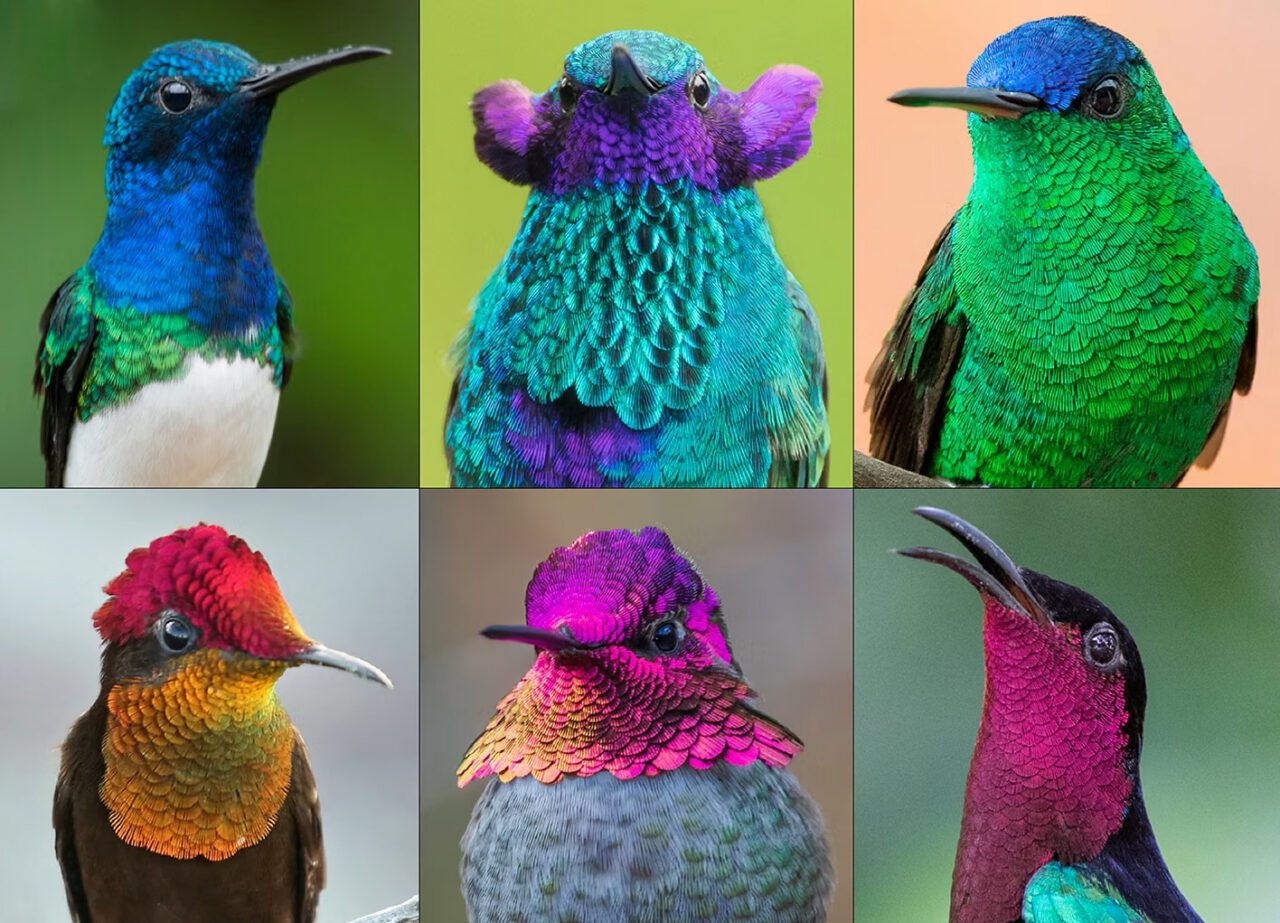
And how do hummingbirds create those intense colors, with so much more pizzazz than other birds? That brilliant metallic iridescence is a biological marvel that combines optical physics and amazingly precise feather growth—allowing a courting hummingbird to dazzle its mate with concentrated blasts of colored light.


optimize yards and gardens to feed and shelter birds
Feeders and birdbaths can help you attract birds, but don’t overlook another important factor: the habitat value of your yard or garden. Native plants combine multiple advantages, and can even be grown in container gardens if you’re short on space. Many native plants will produce fruits or seeds while also supporting a range of insects that birds look for. Plants also create structure that can shelter birds and provide places for them to nest.
Best of all, we’ve got deep resources on our Garden for Birds website that can guide you all the way from specific questions to planning a full yard makeover.


Explore More of Summer with Bird Academy
Bird Academy is the Cornell Lab’s lifetime-learning group, making self-paced, online courses on a huge range of bird and nature topics.
Bird Academy’s in-depth courses can help feed your curiosity on topics ranging from artwork to ornithology and beyond. To take just two summery examples, you could explore the world of hummingbirds or learn about the magic world inside a bird’s nest.
Courses from Bird Academy

All About Birds
is a free resource
Available for everyone,
funded by donors like you
American Kestrel by Blair Dudeck / Macaulay Library