
Similar Species
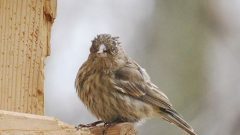
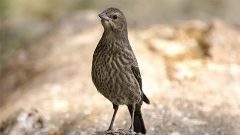
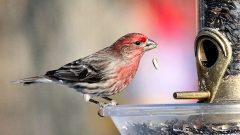
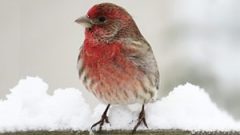
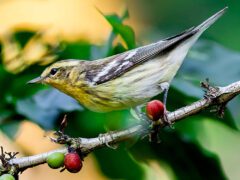
House Finches have blurry grayish streaking on the belly and flanks, unlike either Cassin's Finch or Purple Finches. Female House Finches have a plainer brown head, where female Purple Finches are more strikingly brown and white. Female House Sparrows have light-brown stripes on the back and are unstreaked on the chest and belly. Bill shape is distinctive for House Finches: it's fairly blunt, and rounded, without a sharp tip. Purple and Cassin's finches both have longer, less rounded bills. Pine Siskins are even more streaky than female House Finches, with yellow patches in the wings and a thinner, more pointed bill. Female House Sparrows are warmer brown above and don't have streaked underparts.
Regional Differences
House Finches, particularly males, can look very different from one to another. This is largely due to differences in their diet rather than regional differences. Even though all of eastern North America’s House Finches are descended from the same few birds released on Long Island (meaning they’re much more closely related to each other than they are to birds across the West), there aren’t any strong differences in size, shape, or color between the two regions.
Backyard Tips
Fill your backyard feeders with small, black oil sunflower seed. If House Finches discover your feeders, they might bring flocks of 50 or more birds with them.
Find This Bird
You can find House Finches by looking around settled habitats, such as city parks, urban centers, residential backyards, farms, and forest edges. Gregarious and social, House Finches are found in noisy groups that are hard to miss if present. Look for House Finches feeding on the ground or at bird feeders, or perching high in nearby trees.
Get Involved
House Finches are a focal bird species for the Celebrate Urban Birds! project. Conduct a 10-minute count and record whether or not you see finches.
House Finches often nest near homes and buildings, sometimes even on Christmas wreaths left hanging after the holidays, or on nesting platforms built for them. Report nesting activities to NestWatch.