
• Skip to Content
  • Skip to Main Navigation
  • Skip to Local Navigation
  • Skip to Search
  • Skip to Sitemap
  • Skip to Footer
Help develop a Bird ID tool!

Greater Yellowlegs

Tringa melanoleuca ORDER: CHARADRIIFORMES FAMILY: SCOLOPACIDAE

IUCN Conservation Status: Least Concern

  • Similar Species
  • Related Species
  • Go to:

A common, tall, long-legged shorebird of freshwater ponds and tidal marshes, the Greater Yellowlegs frequently announces its presence by its piercing alarm calls.

Get BNA: the definitive resource for North American birds
Donate to Bird Cams

Appearance

Shorebirds
Shorebirds
Typical Voice

Adult Description

  • Medium-sized to large shorebird.
  • Long, bright yellow legs.
  • Rather long neck and bill.
  • White rump and tail.

Immature Description

Similar to adult, but less heavily marked.

Range Map Help

Greater Yellowlegs Range Map
View dynamic map of eBird sightings

Field MarksHelp

  • Adult

    Greater Yellowlegs

    Adult
    • © William L. Newton / CLO
  • Adult

    Greater Yellowlegs

    Adult
    • © William L. Newton / CLO, Myakka River, Florida, April 2000
  • Greater (left) and Lesser (right) yellowlegs
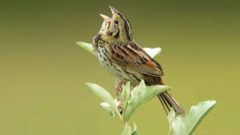
    Greater Yellowlegs

    Greater (left) and Lesser (right) yellowlegs
    • © William L. Newton / CLO, Myakka River, Florida, April 2000

Similar Species

  • The two yellowlegs species are very similar. Size is marked different when they appear together and can be compared against each other. Greater Yellowlegs's bill appears slightly upturned and blunt-tipped, while Lesser Yellowlegs's bill is straight and sharp-pointed. Lesser's bill is always dark, while Greater's bill is grayish at the base in nonbreeding season. Voice is best distinguishing character: Greater gives three or four piercing notes, Lesser two rapid, softer short whistles (sometimes or or three).
  • Solitary Sandpiper has greenish legs and a barred tail.
  • Stilt Sandpiper is smaller, has greenish yellow legs, and a slightly drooping bill.