

Top Ten Tips for Birding on a Budget
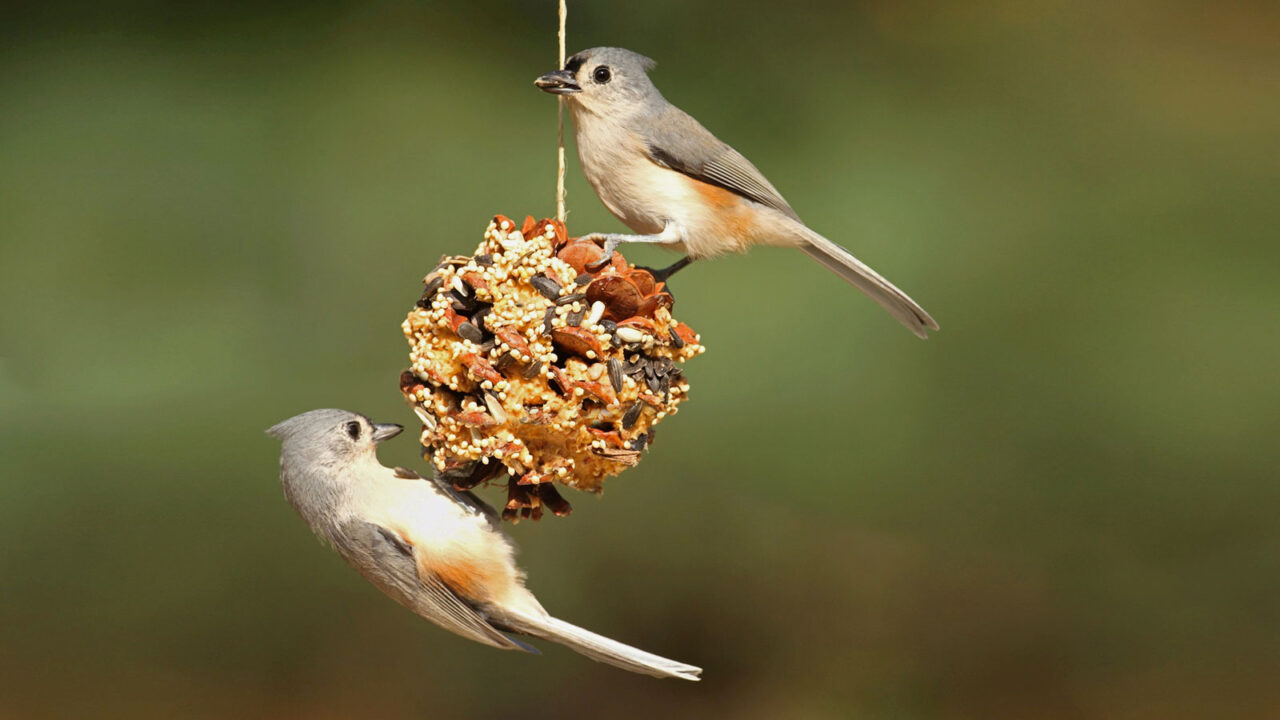

1. Become an expert in your local area. Pay attention to local birds throughout the year. You’ll learn about each species’ natural history, seasonal movements, habitat needs, and identification, and become skilled at discovering new arrivals and rarities. All that and you’ll save money and natural resources!
2. Find a birding buddy. Share the fun, and the expenses, on birding trips.
3. Keep a year list and a backyard list. When you start keeping track of birds by year and by place, even pigeons and starlings are new again, at least for a day. Filling in gaps in your yard or workplace list will keep you actively birding on days when you might otherwise stay indoors.
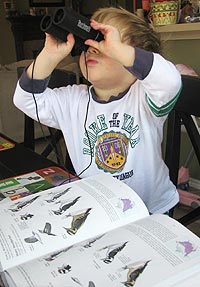
4. Use our free online resources. All About Birds has an amazing amount of information and rich media to help you identify birds by sight and sound, learn about their natural history, improve your skills, and more.
On eBird there’s visual and sound identification tips for tricky groups, rare bird alerts, and arrival and departure dates for many localities. And eBird helps you keep track of your location lists, including your life list, for free.
5. Use our free Merlin Bird ID app. Merlin Bird ID offers quick identification help for all levels of bird watchers and outdoor enthusiasts to help you learn about the birds in any country in the world. All you have to do is answer three simple questions about a bird that you are trying to identify and Merlin gives you a list of possible matches. Merlin can also identify birds from photos, and Merlin Sound ID can identify bird song.
7. Look for binoculars in your budget. Today’s binocular market is full of great-performing options. Even fairly low price points can deliver bright, crisp images, a comfortable feel, and generous field of view. Check out our 2022 review of affordable 8 x 42 binoculars. And take care of your binoculars to make sure they give you years of enjoyment. Keep the lenses scatch free by using a good lens cloth and soft brush, and keep the rain-guard on when you’re not using your binoculars.
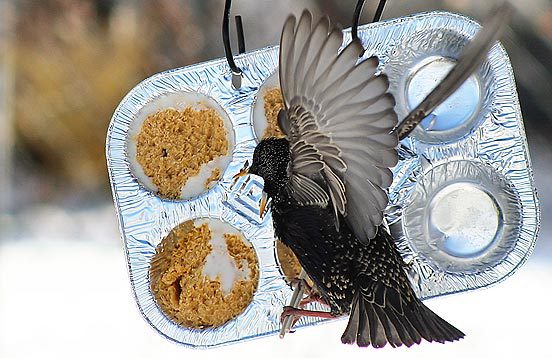
6. Provide smaller bird feeders and make your own. Don’t buy cheap birdseed mixes. Birds avoid most “filler seeds” which then rot. Instead, put out small amounts of seed at a regular time each day. And consider making your own birdfeeder—a cost-friendly, fun activity.
8. Practice “pishing.” Rather than using expensive audio equipment in the field, try making whispering spsh psh psh sounds to lure birds in. If you don’t know what it should sound like, listen to other birders. Playing recordings is prohibited in many birding hotspots, and during the World Series of Birding, because it disrupts natural behaviors and can be stressful for birds. Pishing is usually a better alternative, for both birds and your pocketbook.
9. Learn one field guide well. To find birds most quickly, pick one field guide, learn it well, and stick with it. Which is best? Go to a bookstore or library and look at those covering all of North America or just the East or West, where you live. Scan through them, setting aside those that seem most accessible for you. After you’ve narrowed the choices, look up five or ten familiar birds in each to decide which shows them in a way that seems most true to your eyes.
10. Get the most for your conservation dollars. During hard economic times, conservation often falls by the wayside. If you can set aside money for conservation, give a high priority to habitat protection, research with conservation implications, and education to ensure that people care about birds long into the future.
Originally written by Laura Erickson and published in the April 2009 issue of BirdScope. Updated in August 2023.

All About Birds
is a free resource
Available for everyone,
funded by donors like you
American Kestrel by Blair Dudeck / Macaulay Library