
• Skip to Content
  • Skip to Main Navigation
  • Skip to Local Navigation
  • Skip to Search
  • Skip to Sitemap
  • Skip to Footer
Help develop a Bird ID tool!

Bushtit

Psaltriparus minimus ORDER: PASSERIFORMES FAMILY: AEGITHALIDAE

IUCN Conservation Status: Least Concern

  • Similar Species
  • Related Species
  • Go to:

Bushtits are sprightly, social songbirds that twitter as they fly weakly between shrubs and thickets in western North America. Almost always found in lively flocks, they move constantly, often hanging upside down to pick at insects or spiders on the undersides of leaves. Flocks of Bushtits mix with similar small songbirds like warblers, chickadees, and kinglets while foraging. Bushtits weave a very unusual hanging nest, shaped like a soft pouch or sock, from moss, spider webs, and grasses.

Donate to Bird Cams
Get BNA: the definitive resource for North American birds

Keys to identification Help

Chickadeelike
Chickadeelike
Typical Voice
  • Size & Shape

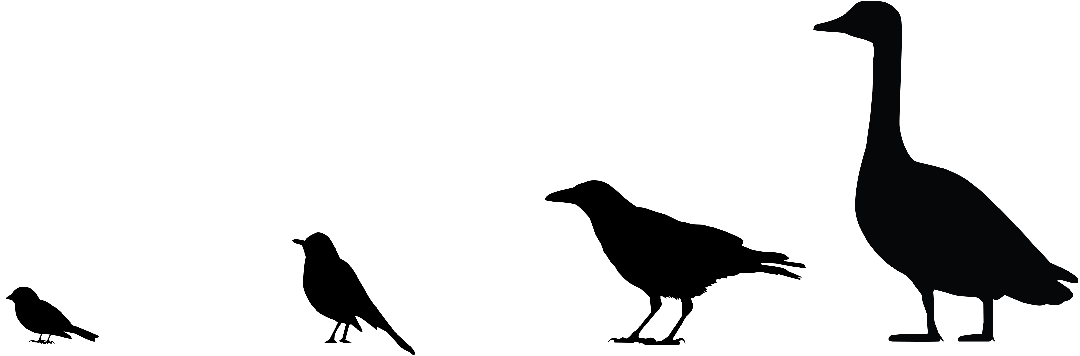
    Bushtits are tiny, kinglet-sized birds. They are plump and large-headed, with long tails and short, stubby bills.

  • Color Pattern

    Bushtits are fairly plain brown-and-gray birds. Slightly darker above than below, they have brown-gray heads, gray wings, and tan-gray underparts. Males in parts of the range have contrasting blackish face masks.

  • Behavior

    Bushtits move quickly through vegetation, almost always in flocks, and continuously make soft chips and twitters. They forage much as chickadees do, frequently hanging upside down to grab small insects and spiders from leaves. Bushtits build a hanging nest out of soft materials such as grasses and spider webs.

  • Habitat

    Bushtits live in oak forest, evergreen woodlands, dry scrublands, streamsides, and suburbs. You can find them at elevations from sea level to over 10,000 feet.

Range Map Help

Bushtit Range Map
View dynamic map of eBird sightings

Field MarksHelp

  • Male

    Bushtit

    Male
    • © Brian E. Small
  • Female

    Bushtit

    Female
    • © Brian E. Small

Similar Species

Chickadees are slightly larger than Bushtits, and their characteristic dark crown, white face, and dark bib provide much more contrast than Bushtits show. Golden-crowned Kinglets have olive upperparts and boldly marked heads with a black line through the eye, white line over the eye, and a noticeable yellow-orange crown patch. Gnatcatchers have longer bills and smaller heads than Bushtits. Their black tails contrast sharply with their duller gray-brown backs. The Oak Titmouse and Juniper Titmouse are larger than the Bushtit with a distinct, short crest to the head. Verdins live in deserts. They have a longer, sharper bill, a yellow face, and a small rufous patch in the wing.

Regional Differences

Individuals of this species tend to be darker in more humid coastal areas. Along the Pacific Coast, Bushtits have brown crowns; birds farther inland have gray crowns. The frequency of Bushtits with blackish masks increases in southern parts of the range.

Backyard Tips

Bushtits eat mostly small insects, so they are hard to attract to feeders. You can help make your yard inviting to them by planting native shrubs and small trees.

Find This Bird

Bushtits are inconspicuous but common. Look for them moving through low branches of open woodlands, edges, and park or neighborhood vegetation, where they are active and acrobatic as they search for insects. Listen for their quiet but consistent call notes.