
• Skip to Content
  • Skip to Main Navigation
  • Skip to Local Navigation
  • Skip to Search
  • Skip to Sitemap
  • Skip to Footer
Help develop a Bird ID tool!

American Black Duck

Anas rubripes ORDER: ANSERIFORMES FAMILY: ANATIDAE

IUCN Conservation Status: Least Concern

The American Black Duck hides in plain sight in shallow wetlands of eastern North America. They often flock with the ubiquitous Mallard, where they look quite similar to female Mallards. But take a second look through a group of brown ducks to notice the dark chocolate-brown flanks, pale grayish face, and olive-yellow bill of an American Black Duck. Numbers of this shy but common duck declined sharply in the mid-twentieth century. Hunting restrictions have helped to stabilize their numbers, although habitat loss remains a problem.

Learn more about BirdSleuth
Donate to the Lab

Keys to identification Help

Ducks
Ducks
Typical Voice
  • Size & Shape

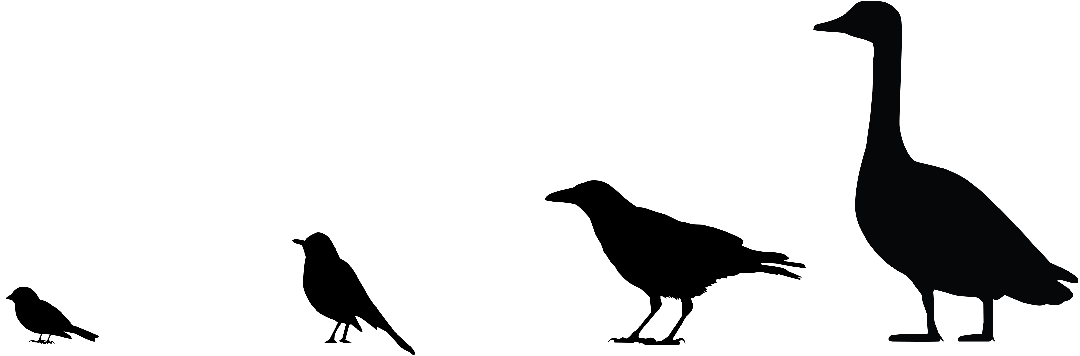
    American Black Ducks are large ducks with a profile nearly identical to Mallards. They have rounded heads, thick bills, and bulky bodies. Like other dabbling ducks they sit high in the water with their tails high.

  • Color Pattern

    American Black Ducks have very dark brown bodies with pale gray-brown heads and yellow-green bills. Females tend to be slightly paler than males, with duller olive bills. In flight, the underwings are bright white. The secondaries (speculum) are iridescent purple without white borders.

  • Behavior

    These are dabbling ducks that tip up instead of dive when they forage. They eat aquatic plants, invertebrates, and occasionally small fish in shallow water. They also fly into agricultural fields to feed on waste corn and grain. Look for them mixed into flocks with other “puddle ducks” such as Gadwall and Mallards.

  • Habitat

    American Black Ducks nest in eastern wetlands including freshwater and saltmarshes. During migration and winter, they rest and forage in protected ponds, marshes, and bays.

Range Map Help

American Black Duck Range Map
View dynamic map of eBird sightings

Field MarksHelp

Similar Species

Similar Species

American Black Ducks look a lot like female Mallards and often occur with them. Female Mallards are less dark on the body than American Black Ducks, and their bills are orange and black rather than yellow-olive. The speculum in Mallards is blue bordered with white, while the American Black Duck’s is purple without the white border. The two species hybridize quite often, so you may see Mallard x American Black Duck hybrids that are intermediate between the two. Hybrid males usually have some degree of green on the head and traces of white in the tail and wing panel. Female Gadwall are lighter on the body than American Black Ducks. They have a slender, orange-and-black bill and they lack the purple speculum. Mottled Ducks occur only in the Southeast and Gulf Coast; they are slightly paler overall than American Black Ducks and have buffy, unstreaked faces. Black Scoters and Surf Scoters are diving ducks that sit lower in the water and occur mainly in saltwater.

Find This Bird

Look for American Black Ducks in both fresh and saltwater in eastern North America, where they will look like female Mallards except with an olive-yellow bill and overall darker, higher-contrast plumage. They prefer protected bodies of water such as saltmarshes and ponds, and frequently mix with other species of ducks, especially Mallards. Among flocks of Mallards, look for a darker, colder-toned duck of similar size; in flight, the white underwings of American Black Ducks form a brighter, more contrasting flash than on a flying Mallard. Because these two species frequently hybridize in eastern North America, be aware that you may see individuals with intermediate characters, such as a dark body and a partially green head.