
Similar Species
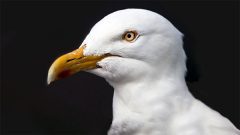
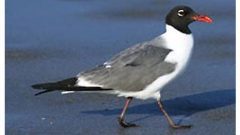
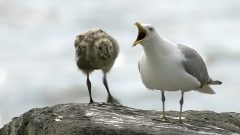
Since so many gull species look so similar, it’s essential to consider size and shape and range to tell them apart. Both California Gulls and Ring-billed Gulls are considerably smaller than Herring Gulls, with a daintier bill and more slender body. Both California Gulls and Ring-billed Gulls tend to be more common in inland locations than Herring Gulls. On the West Coast, the similarly sized Glaucous-winged Gull is heftier overall with a thicker bill, shorter wings and stockier body. They typically have gray wingtips, though hybrids with the Western Gull (hybrids are common around Puget Sound) can have black wingtips. Lesser Black-backed Gulls are slightly smaller and longer-winged than Herring Gulls; adults have darker backs and yellow, not pink, legs. The Great Black-backed Gull of the East Coast and Western Gull of the West Coast are considerably larger and darker on the back as adults than Herring Gulls.
Regional Differences
Herring Gulls vary considerably across the Northern Hemisphere, and this combined with their tendency to hybridize with other gull species causes headaches in both taxonomy and identification. By sight, the different types of Herring Gulls are difficult to distinguish, and only the American Herring Gull (Larus argentatus smithsonianus) is likely to be seen in North America. European Herring Gulls (L . a. argentatus) and Yellow-legged Gulls (Larus michahellis, recently designated a separate species) are very rare visitors to eastern North America. The Vega Gull (L. a. vegae), a subspecies with a darker gray back, breeds in northwest Alaska and northeast Asia, but is very rare in the rest of North America.
Find This Bird
Look for Herring Gulls soaring along coastal shorelines, feeding on beaches, or squabbling at refuse dumps. Almost any large open space near water can become a winter hangout. Except along the north Atlantic Coast, the Great Lakes, and southern Alaskan coast, expect to see only nonbreeding adults and a motley array of immature gulls. These may be hard to recognize at first until you learn their beefy profiles. Once you know this fairly common species, they can help you identify other gull species.